1.866.746.8444
 Emergency Services
 Dealers
 Account
 Search

Maintenance Made Easy
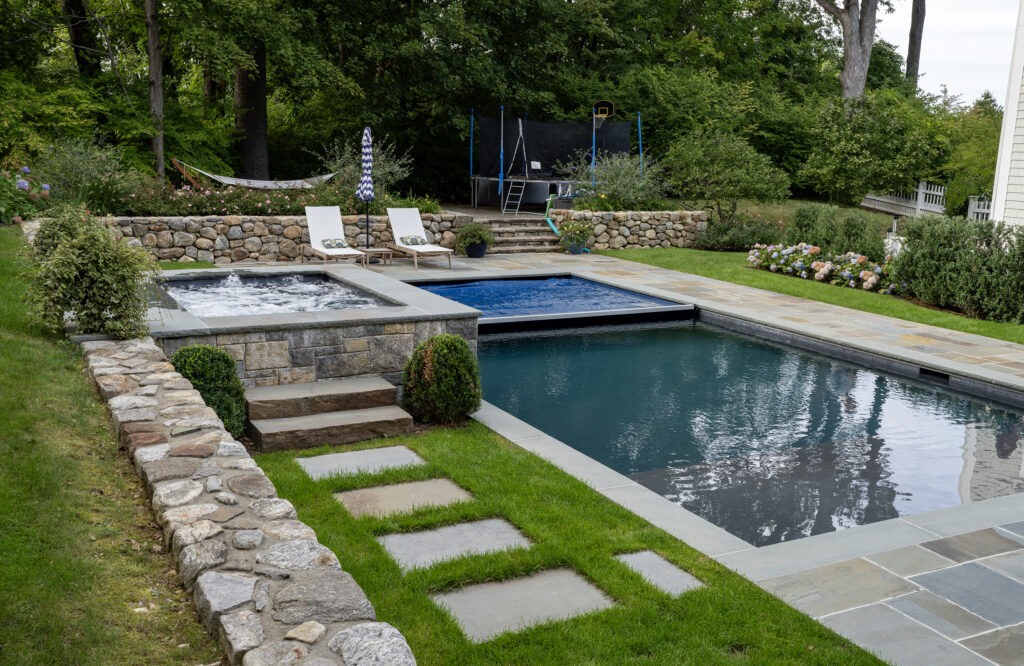
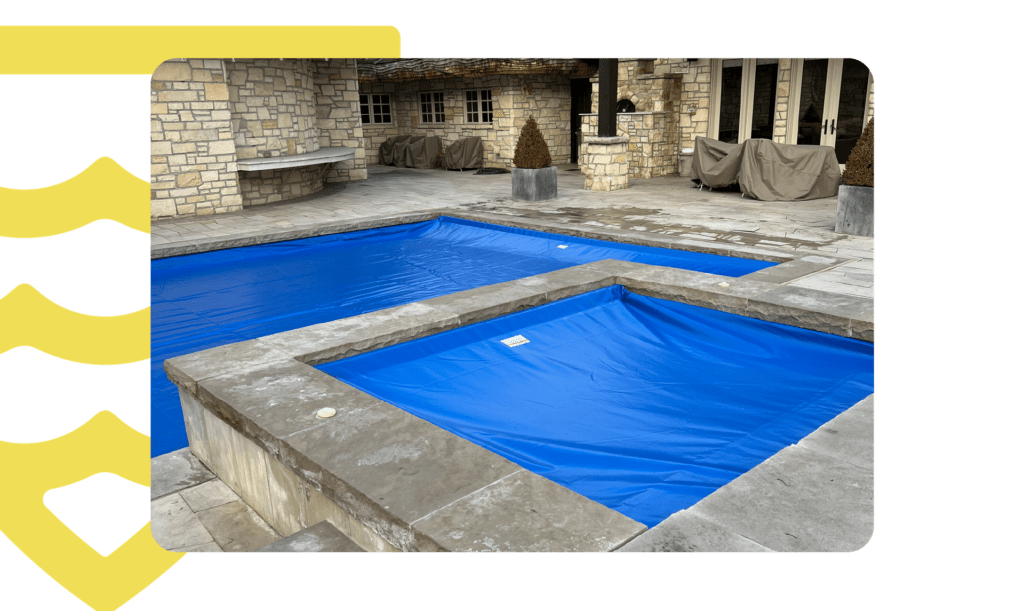
An automatic pool cover is one of the best investments you can make for your pool enhancing safety, reducing maintenance, and keeping heat and chemicals from escaping. But like any mechanical system, how you use it plays a huge role in how long it lasts and how well it performs. Understanding how to operate an automatic pool cover properly is essential to preventing unnecessary wear and tear. By following a few simple guidelines, you can significantly extend the lifespan of both the fabric and the mechanical components.
1. Keep the Cover Clean and Clear Before Operating
Before you open or close your cover, make sure:
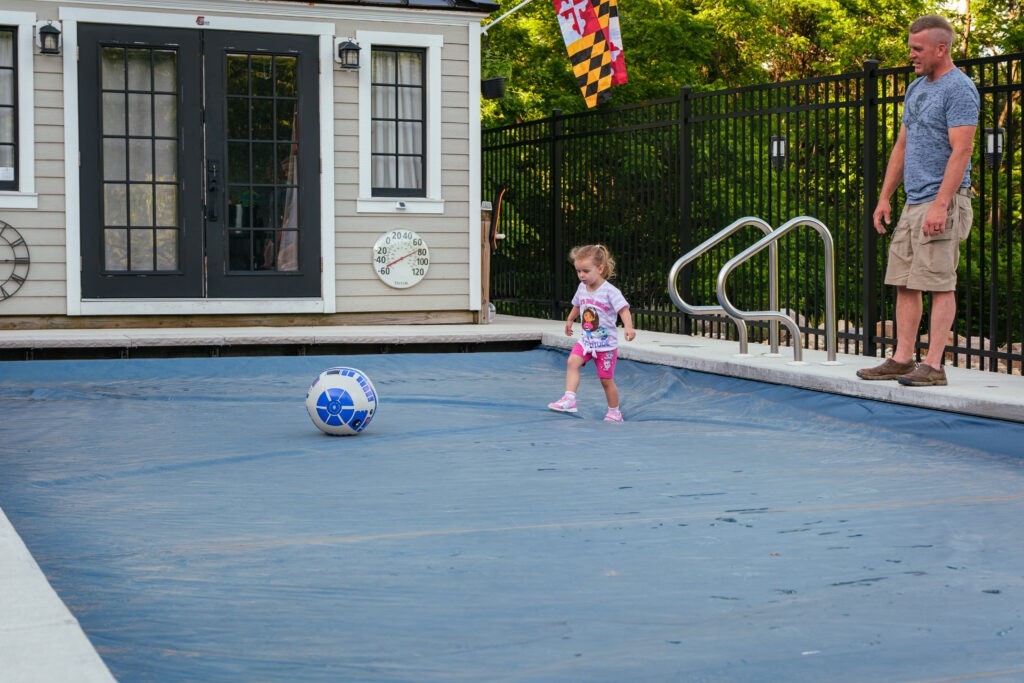
- No one is on the cover- never operate it with people, pets, or heavy objects on top.
- Debris is cleared off-sticks, branches, and large amounts of dirt can snag fabric and strain the motor.
- Standing water is pumped off-water adds hundreds of pounds of weight and can cause serious damage. During the rainy season keep a cover pump plugged in and positioned in the center of the cover so it automatically removes water as it collects.
2. Always Run the Cover Fully Open or Fully Closed
Automatic covers are designed to operate in full cycles. Stopping the cover halfway can:
- Create an unsafe situation
- Cause the ropes/cables to slip
- Lead to crooked operation over time
3. Operate the System Smoothly – Never Force It
If your cover:
- Slows down
- Sounds strained
- Stops moving unexpectedly
Stop operating it immediately.
Continuing to run the cover when something isn’t right can cause expensive damage. Covers are built to move smoothly, if it’s not smooth, something needs attention. Our professionally trained technicians are here to help: browse our maintenance and repair services.
4. Keep the Tracks Clean
The tracks on each side of the pool must be free of:
- Rocks
- Leaves
- Toys
- Dirt and sand
Debris in the track is one of the most common causes of early wear on the ropes and can even derail the system. Hose out the debris with water or use a blower to keep operation friction-free.
5. Don’t Let the Cover Fabric Dry Out
Your cover fabric is designed to withstand sun exposure, but it still benefits from occasional care:
- Rinse the cover with fresh water to remove chlorine, dirt, and chemicals.
- Use a cover-safe protectant once or twice a season (avoid harsh cleaners). This keeps the vinyl supple and helps prevent cracking and fading.
6. Watch the Water Level
Your pool water should reach roughly the midpoint of the skimmer.
If the water level is too low:
- The cover will sag
- More stress is placed on the fabric and mechanisms
- The system may bind or drag
If the water level is too high, it can spill into the cover vault when the cover opens. Make sure the cover vault drain is working properly to avoid damage to the pool cover mechanism.
7. Schedule Regular Maintenance
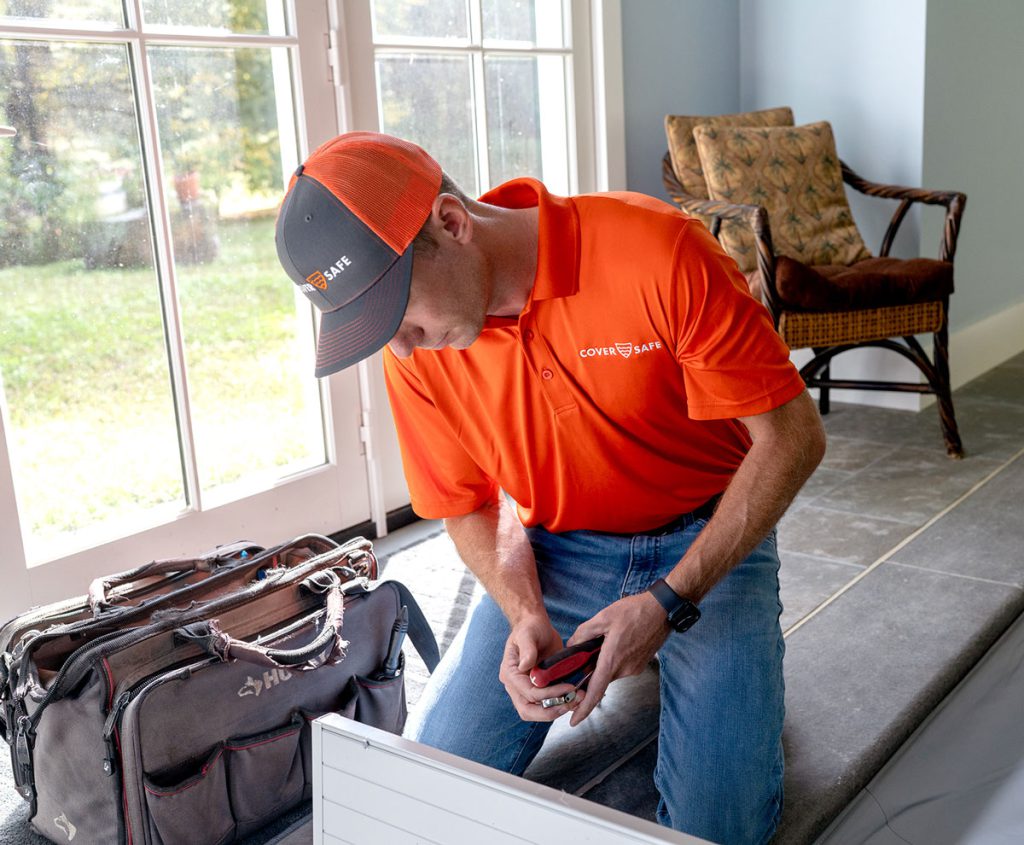
Even with perfect use, automatic covers need periodic professional servicing. An annual or semi-annual inspection helps:
- Adjust rope/cable tension
- Check the motor and pulleys
- Inspect tracks and fabric
- Catch small issues before they become expensive repairs
Routine service dramatically increases the system’s lifespan. We recommend having your automatic pool cover inspected by a professional at least once a year.
8. Educate Everyone Who Uses the Control
Whether it’s family members, renters, or guests, anyone allowed to open or close the cover should know the basics:
- Always remove water first
- Don’t force the cover
- Keep debris out of the tracks
- Never let kids operate the system unsupervised
A little knowledge goes a long way!
Proper operation can significantly extend the life of a pool cover. Knowing how to operate an automatic pool cover correctly, along with consistent care, keeping it clean, avoiding unnecessary stress, and scheduling maintenance you’ll protect your investment and keep your pool safe, clean, and easy to manage.
For more information on automatic pool cover fabric replacements, contact us. We are here to help you get the most out of your automatic pool cover! Please call 866-746-8444 for more information.